A “Saga Machizukuri” Seminar Held at the Faculty of Architecture,Chiang Mai University,a Partner Institution in the Strategic Partnership Project— International Dissemination of Saga’s Community Development Model Centered on Hizenhama-shuku —
【Abstract】
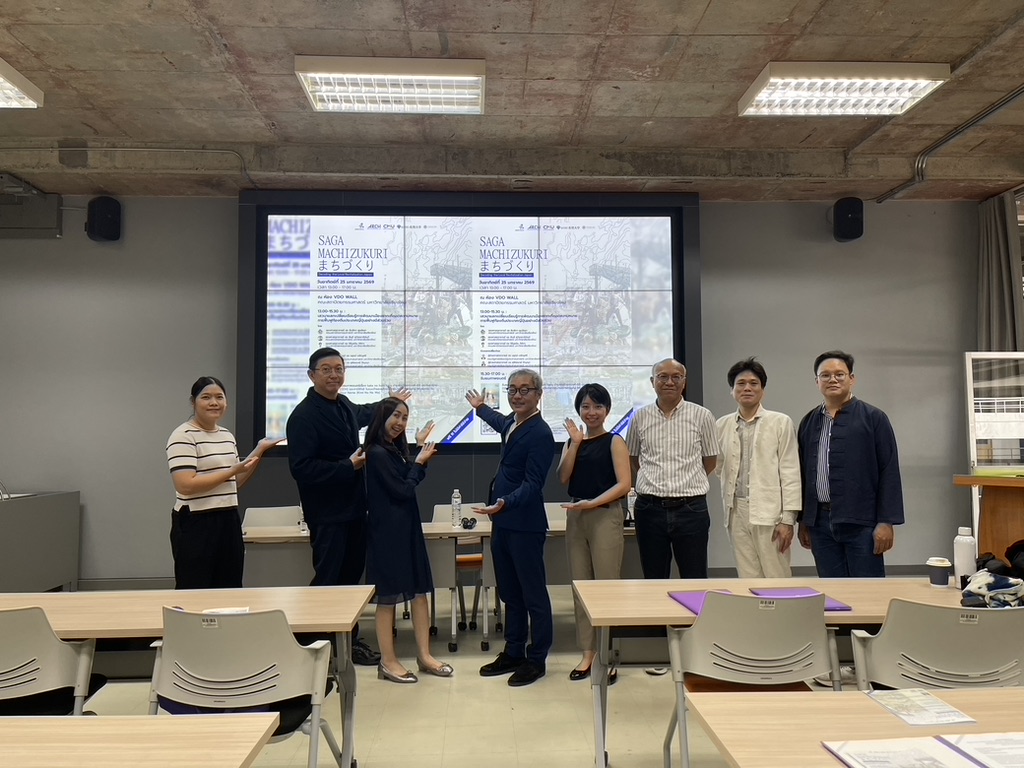
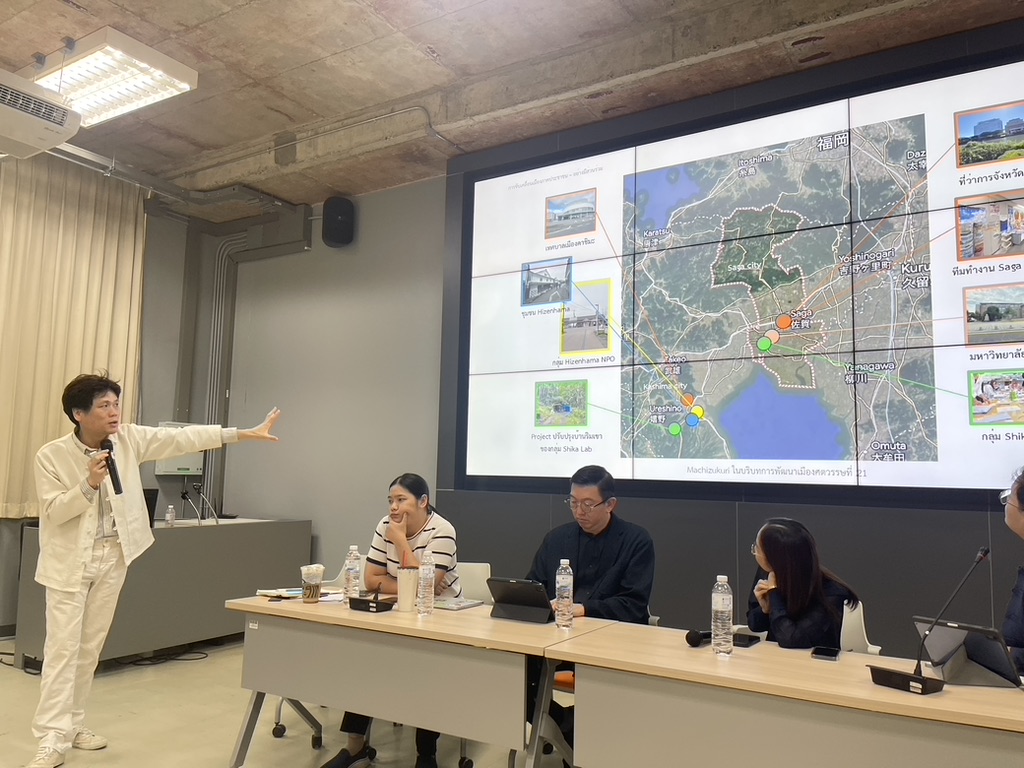
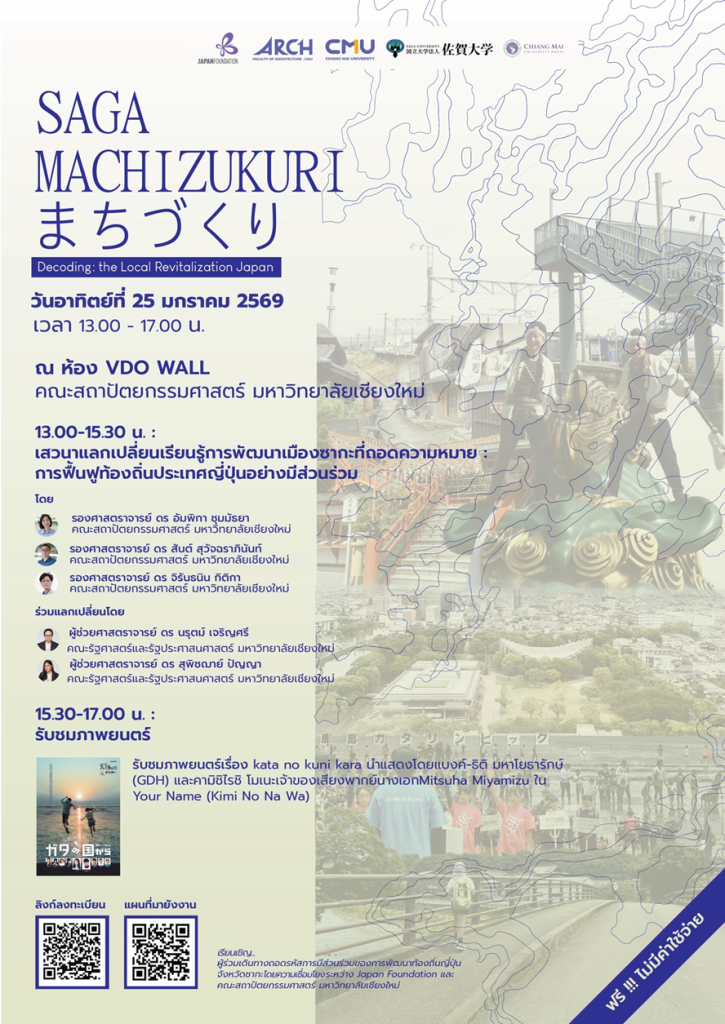
2On Sunday, January 25, 2026, the Faculty of Architecture at Chiang Mai University—the lead institution of our university’s Strategic Partnership Project (Thailand)—hosted the “Saga Machizukuri” seminar, an initiative supported by the Japan Foundation under the Ministry of Foreign Affairs. Professor Nobuo Mishima of the Department of Civil and Environmental Engineering, a member of the project team, also participated on-site. During the seminar, Chiang Mai University researchers presented their findings, highlighting lessons learned from regional revitalization efforts in Saga, particularly those utilizing the historical townscape of Hizen-Hama.
Approximately 50 participants from governmental and academic institutions attended, helping to share Saga’s community‑co‑creation approach to town development with an international audience.
On January 25, 2026, the “Saga Machizukuri” seminar was held at the Faculty of Architecture, Chiang Mai University, the lead institution of our university’s Strategic Partnership Project (Thailand). The research project was selected for the Japan Foundation’s international grant program and was made possible through the long-standing collaboration between Saga University and Chiang Mai University, including suggestions by Professor Nobuo Mishima of the Department of Civil and Environmental Engineering in preparing the grant proposal and his introduction of interviewees in Saga Prefecture.
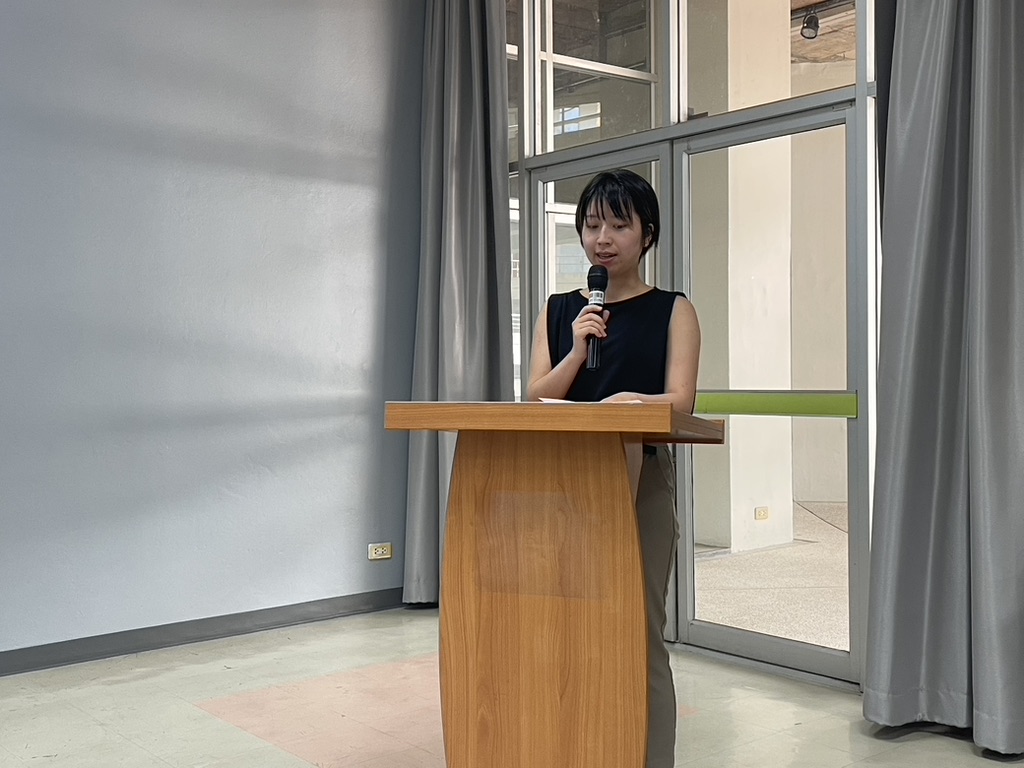
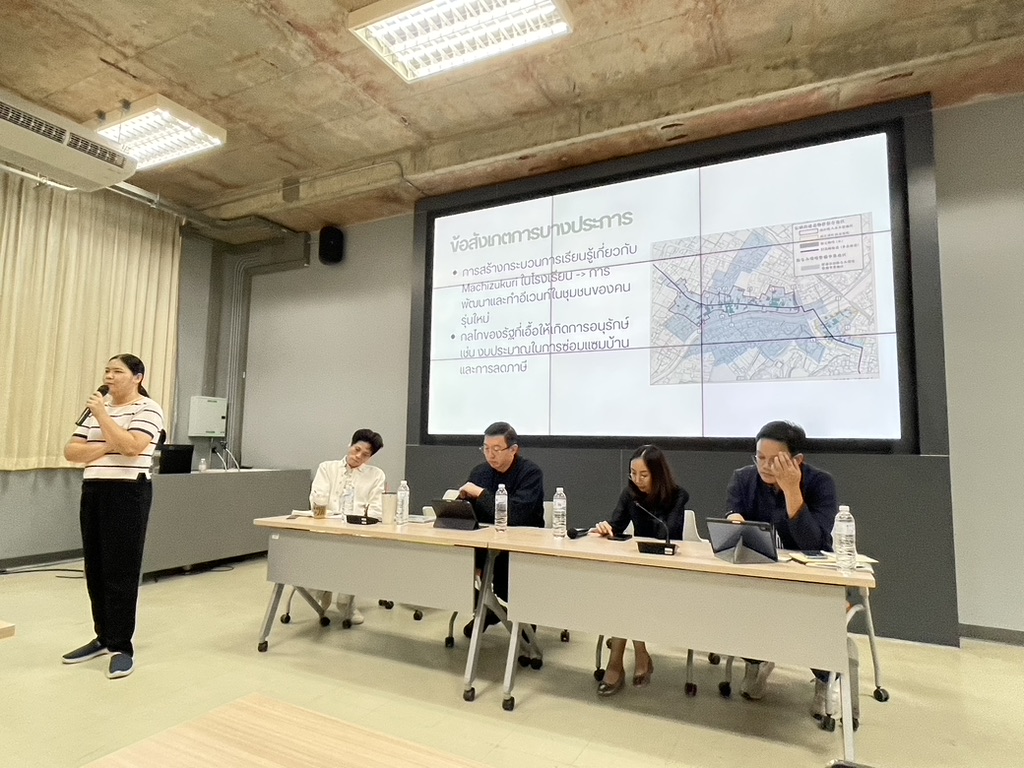
The seminar was organized by a research group led by Associate Professor Umpiga Shummadtayar (Ph.D., Saga University, 2014), Associate Professor Kitika Chiranthanin, and Associate Professor Sant Suwatcharapinun of the Faculty of Architecture at Chiang Mai University. Approximately 50 participants attended, including Chiang Mai municipal officials, university faculty and staff, researchers, and students. Among them were municipal officials who had previously visited Kashima City and maintained ongoing exchanges with Saga University and the Hizen-Hama community, making the seminar a product of long-term international trust. Professor Mishima also participated on-site, contributing to the dissemination of the project’s outcomes.
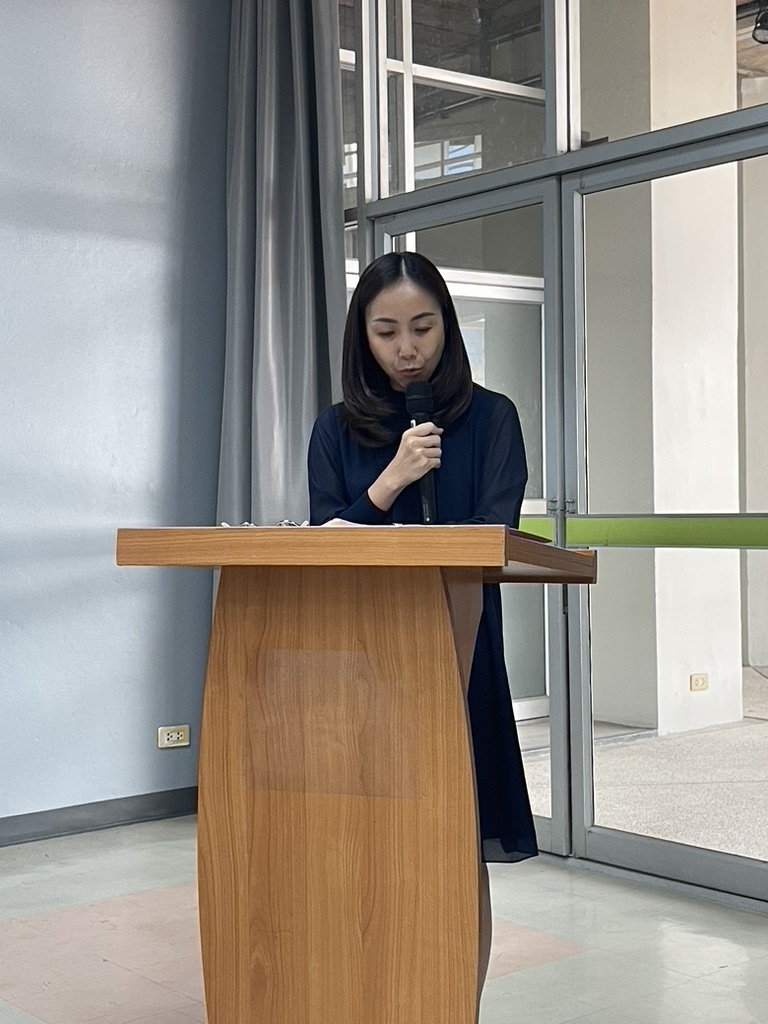
Ms. Hono Masuki, Director of the Department of Japanese Studies and International Dialogue at the Japan Foundation, also attended and delivered remarks on the significance of academic and cultural exchange. She highlighted the shared challenges faced by historic cities in Japan and Thailand—such as aging populations and increasing natural disasters—and the potential contributions of such exchanges as Chiang Mai pursues World Cultural Heritage status. As the Japan Foundation, an organization affiliated with the Ministry of Foreign Affairs, is involved, the seminar serves not only as an inter-university exchange but also as an example of cultural and academic diplomacy that shares Japanese expertise with the international community.
The seminar presented a systematic overview of community-based urban design initiatives in Saga Prefecture, including the Gatalympics in Kashima City and the self-driven town development efforts in Hizen-Hama that balance the preservation of local nature and history with continued residency. These initiatives have been carried out with the participation of Saga University researchers and students, and have extended across Saga City, Ureshino City, Karatsu City, and other areas. The case of Hizen-Hama, in particular, drew strong interest from participants as a model of sustainable community development in historic towns, where residents, local government, and the university have collaborated over many years to harmonize tourism with everyday life while utilizing traditional cultural resources.
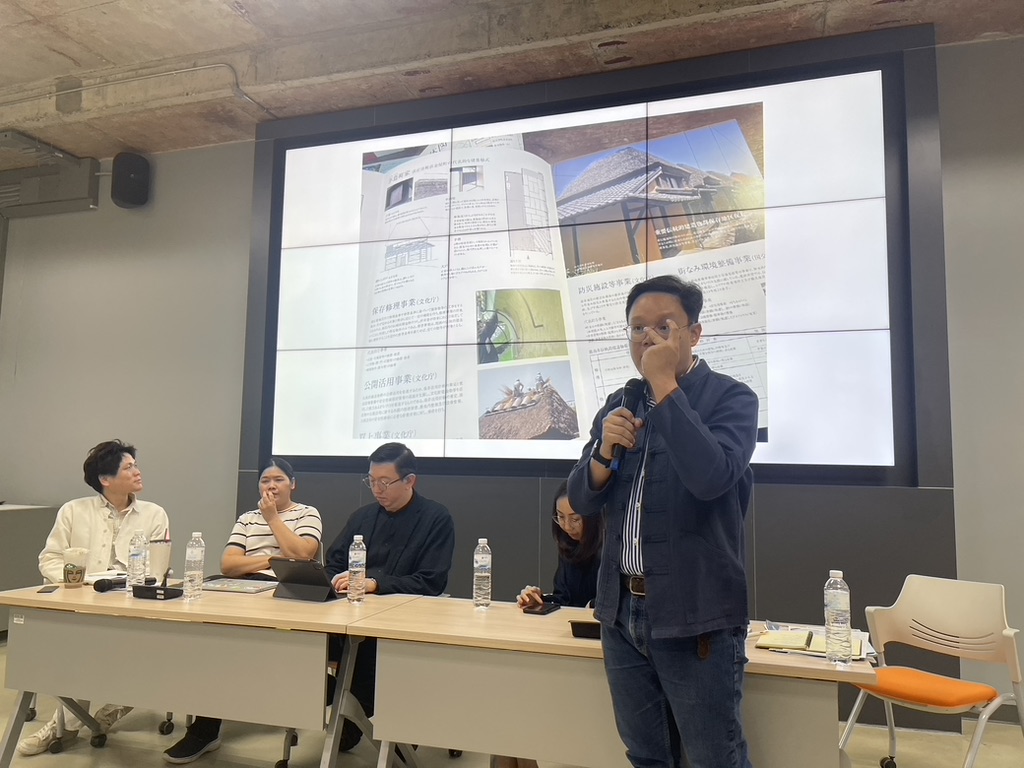
During the discussions, participants noted that while NPOs—private intermediary support organizations—play a key role in preserving and utilizing historic townscapes in Saga, NGOs serve as the central actors in Chiang Mai. It was suggested that Saga’s citizen-centered framework could serve as a reference for future community management in Thailand’s historic cities. This indicates that Japan’s experience with “community co-creation–based town development,” adaptable even across different institutional and cultural contexts, was shared internationally.
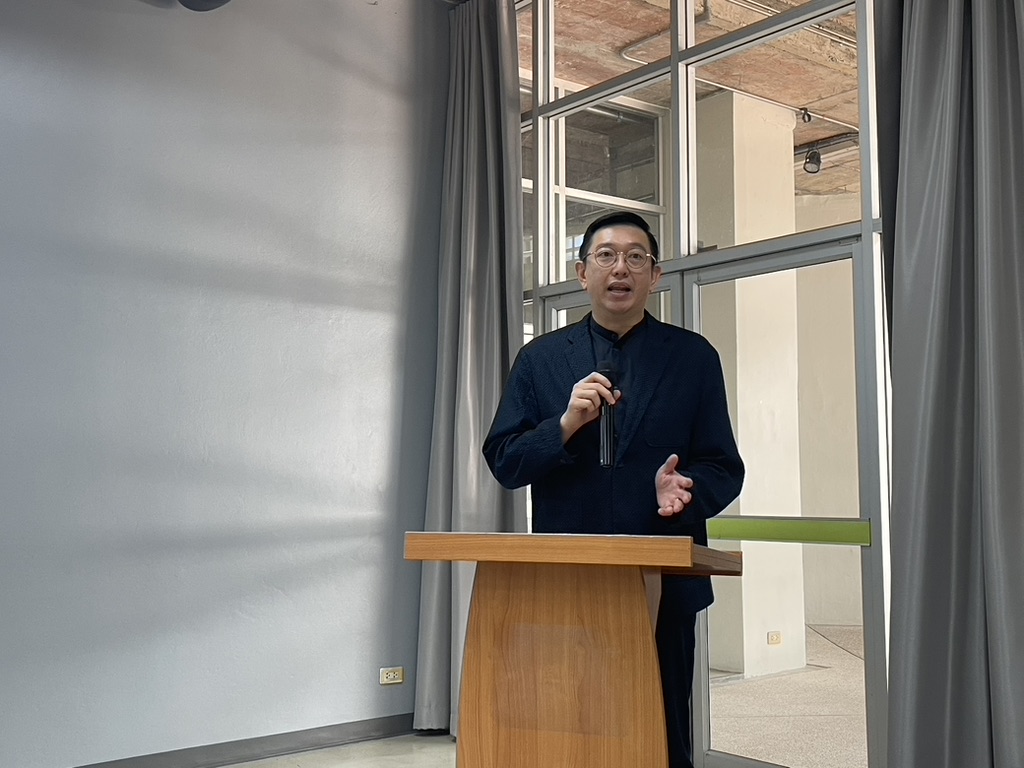
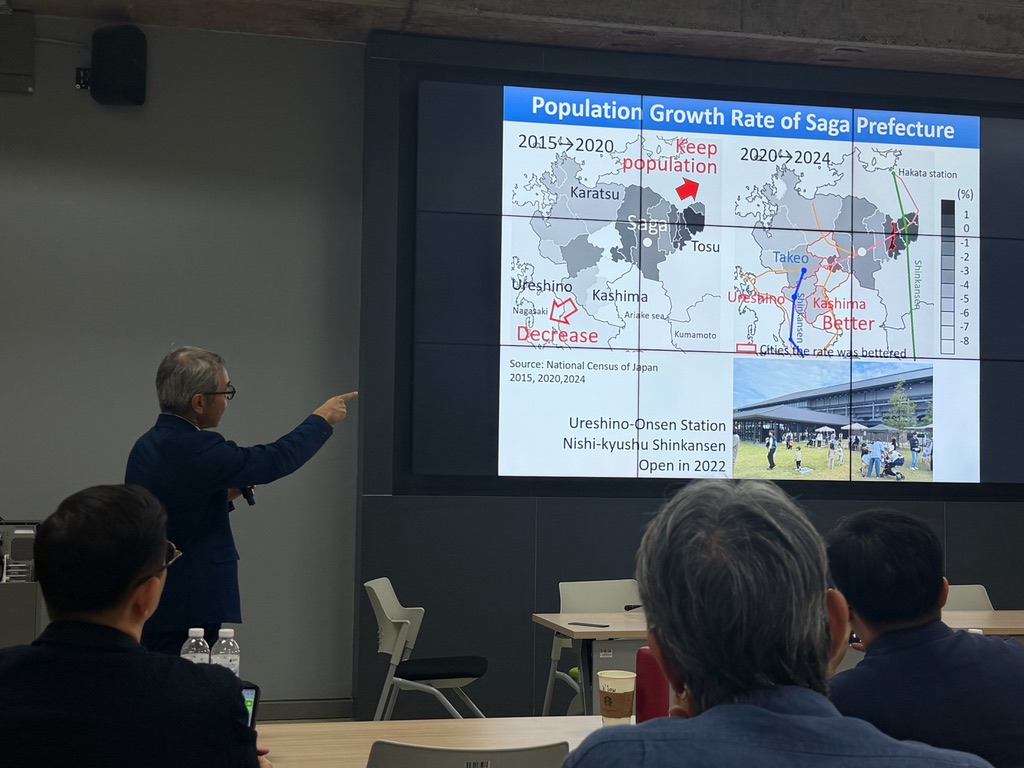
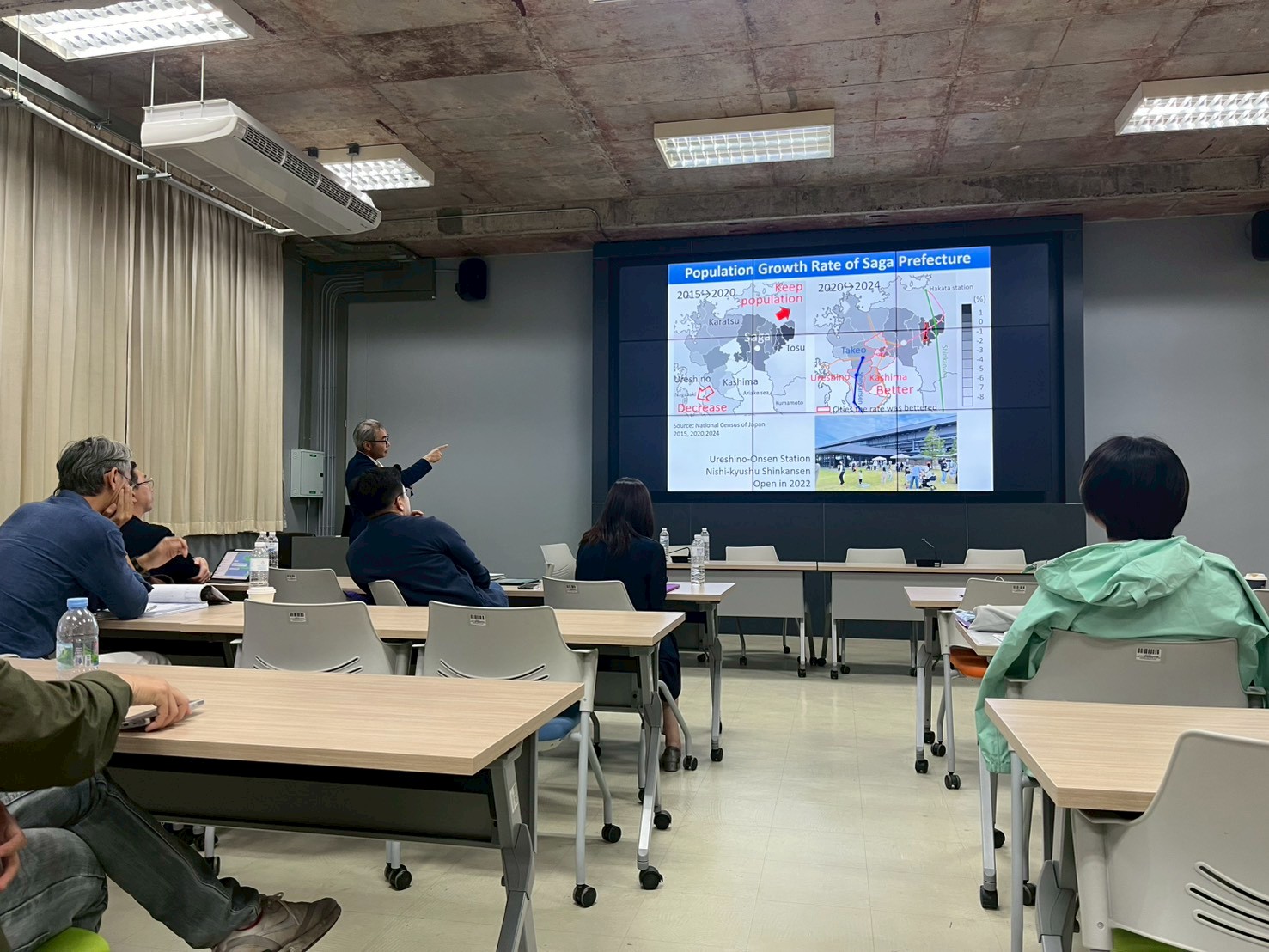
Professor Mishima also delivered a lecture titled “Trends in Population Decline in Japan and Saga Prefecture.” He explained that although Saga Prefecture is relatively small in population, it ranked 19th nationwide in terms of population decline rate as of 2024, showing comparatively strong performance. He also demonstrated that the population decline rate in Kashima and Ureshino improved from −6 to −8% in 2000 to −3 to −5% in 2024, highlighting the effectiveness of community-led town development and placemaking efforts such as station plaza improvements.
Looking ahead, a Thai-language book titled Decoding: the Local Revitalization Japan, which systematically compiles Japanese approaches and practices in regional revitalization—including topics covered in this seminar—will be published by Chiang Mai University Press in April 2026. Professor Mishima has contributed the foreword. The Saga case is expected to reach an even wider audience in Thai society.
Through this seminar, participants engaged in comparative discussions on historic cities in Japan and Thailand against the backdrop of global issues such as World Heritage inscription, sustainable tourism, and the maintenance of living environments. Saga University continues to play a central role in sharing Japan’s community co-creation–based town development expertise across the Asian region.